



More nursery rhymes for kids
Old rhymes, big questions
Nursery rhymes can be very old. Some are more than 300 years old. They use words people don't say much anymore, like "tuffet," "curds and whey" and "dame." Kids often ask, "What does that mean?" This page collects rhymes with their meaning and history.
Some rhymes are true stories
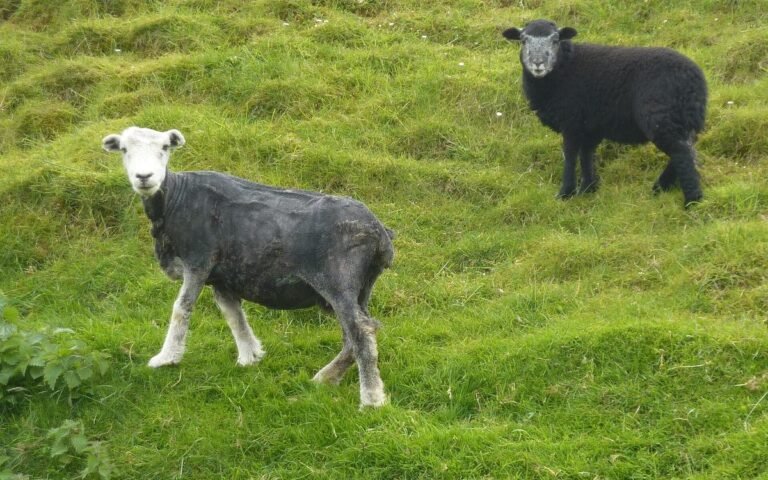
A few rhymes really happened. Mary Had a Little Lamb is based on a real girl named Mary Sawyer who lived in Massachusetts in the early 1800s. A lamb really did follow her to school one day. The poem was printed in 1830.
Twinkle Twinkle Little Star started as a poem called "The Star" by Jane Taylor, printed in England in 1806. The tune is even older. It's the same tune as the ABC song and Baa Baa Black Sheep!
Some rhymes are riddles
Humpty Dumpty was first a riddle. The rhyme never says Humpty is an egg. People had to guess what could fall and never be put back together. The answer was an egg. Later, picture books drew him as an egg, and that stuck.
Some meanings are mysteries
For many rhymes, nobody knows the real story. You may hear that a rhyme is secretly about a king, a war or a sickness. Most of these stories were made up long after the rhymes were written, and there is no good proof for them. It's okay to say, "We don't know for sure!"
Words to know
- Tuffet: a low seat or a small grassy hill.
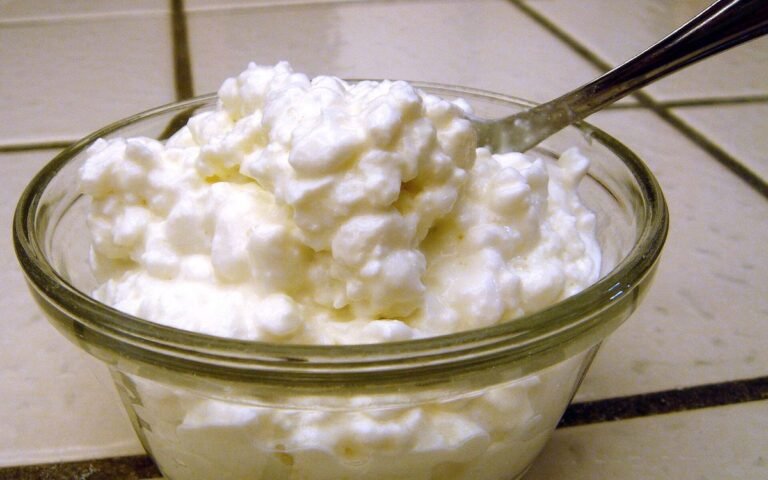
- Curds and whey: lumpy milk, a bit like cottage cheese.
- Dame: an old word for a lady.
- Crown: in Jack and Jill, the top of your head.
- Fiddle: another name for a violin.
Be a rhyme detective
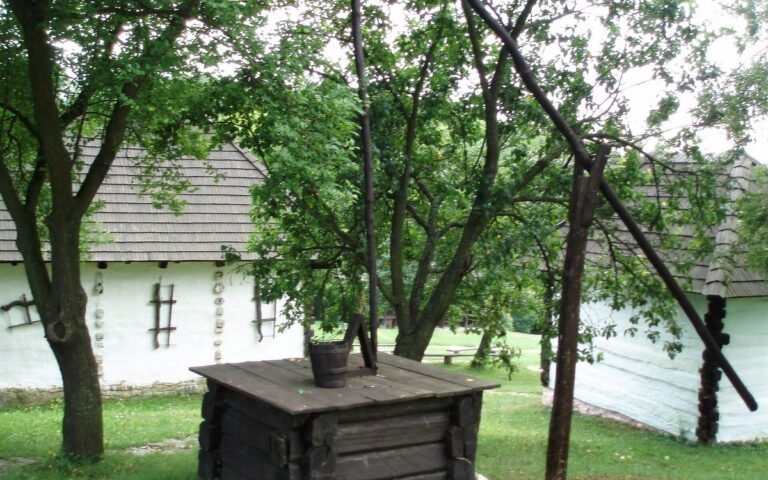
Pick a rhyme and look for clues. What kind of clothes and jobs does it talk about? What would a kid 200 years ago see every day? You'll find candles, buckles, sheep and wells, all clues that the rhymes come from long ago.
Your turn to sing
Pick one rhyme from this page and sing it three times today: once in the morning, once at lunch and once before bed. By tomorrow, you might know it by heart. Then teach it to someone else, like a grown-up, a little brother or sister, or even your favorite stuffed animal. Teaching a song is the best way to remember it.
Keep exploring
Read the full words on nursery rhyme lyrics, discover the stories behind sleepy songs on our lullabies page, or learn more about the past in American history for kids.
Questions grown-ups ask
Where did nursery rhymes come from?
Most English nursery rhymes came from songs, riddles and verses people shared aloud in Britain from the 1600s to 1800s. Many were first printed in collections like Mother Goose books.
Are nursery rhymes secretly about dark history?
Some people say so, but most of those stories were invented much later and are not supported by evidence. For many rhymes, the true origin is unknown.
Is Mary Had a Little Lamb a true story?
Yes, it is based on Mary Sawyer, a girl in Sterling, Massachusetts, whose pet lamb followed her to school in the early 1800s.
