










Pick a collection
Free lullabies with lyrics
A lullaby is a soft, slow song that helps babies and children fall asleep. Grown-ups have sung lullabies for thousands of years, in every part of the world. Today, families still sing the same old songs their great-grandparents knew.
On Kidspedia, every lullaby comes with the full words, what they mean, where the song came from and tips for singing it at bedtime.
Find a lullaby
- Lullaby lyrics: full words to every song.
- Lullabies for babies: the most soothing songs for little ones.
- Classic lullabies: traditional songs and their history.
- Lullabies from around the world: bedtime songs from many countries, with translations.
- Short lullabies: tiny songs you can learn in a minute.
What is a lullaby?
A lullaby is a song meant to calm someone down and help them sleep. The word comes from "lull," which means to soothe, and "bye," an old sleepy word, like in "bye-bye" or "hush-a-bye."
Most lullabies share a few things:
- They are slow, like a rocking chair.
- They are soft and gentle.
- They repeat words and lines.
- They often talk about the moon, stars, sleep, angels or animals.
- They sound loving, telling the child they are safe.
The oldest lullaby
The oldest lullaby we know of was found carved on a clay tablet from ancient Babylon, in the land that is now Iraq. It is about 4,000 years old! That means grown-ups were singing their babies to sleep long before there were books, cars or even paper.
Why lullabies are good for kids
Lullabies help kids calm down. Slow music can help a busy body relax and get ready for sleep.
Lullabies build a bedtime routine. Singing the same song each night tells a child's brain that it's time to rest.
Lullabies help with language. Babies hear new words, rhymes and rhythms, which helps them learn to talk.
Lullabies bring families close. Singing to a child is a special, cozy moment together. Many grown-ups remember the lullabies they heard when they were little.
Lullabies by age
Newborns and babies: Very slow, soft songs like Brahms' Lullaby, Hush, Little Baby and Rock-a-Bye Baby. See lullabies for babies.
Toddlers: Songs they can start to sing along with, like Twinkle Twinkle Little Star and Are You Sleeping.
Big kids: Poem-songs with beautiful pictures, like Wynken, Blynken, and Nod, and songs from other countries that teach new words.
How to sing a lullaby
- Make the room dim and quiet.
- Get cozy, rocking or snuggling.
- Sing slowly, slower than a normal song.
- Make each verse a little softer than the one before.
- Hum the tune at the end.
- Don't worry about your voice. Kids love their grown-up's singing no matter what.
Lullabies and the moon and stars
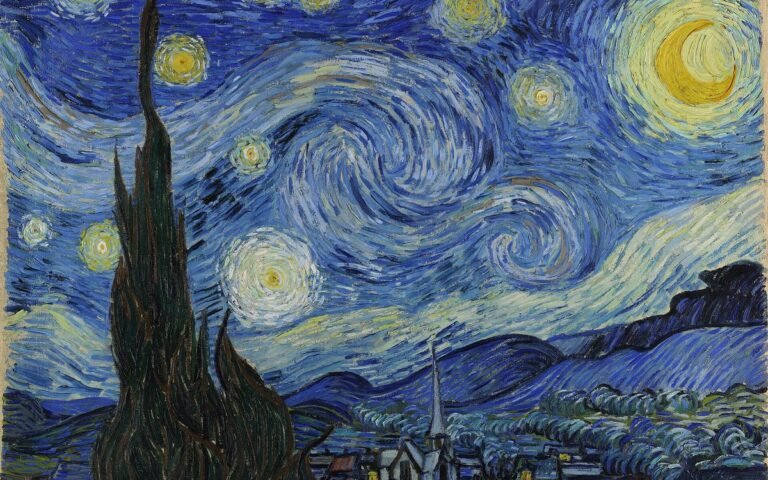
So many lullabies look up at the night sky. Twinkle Twinkle Little Star wonders what a star is. Wynken, Blynken, and Nod sail off to fish for stars. Hey Diddle Diddle sends a cow over the moon. Long ago, there were no electric lights, so the moon and stars were the brightest things at bedtime. Families looked out the window and sang about what they saw.
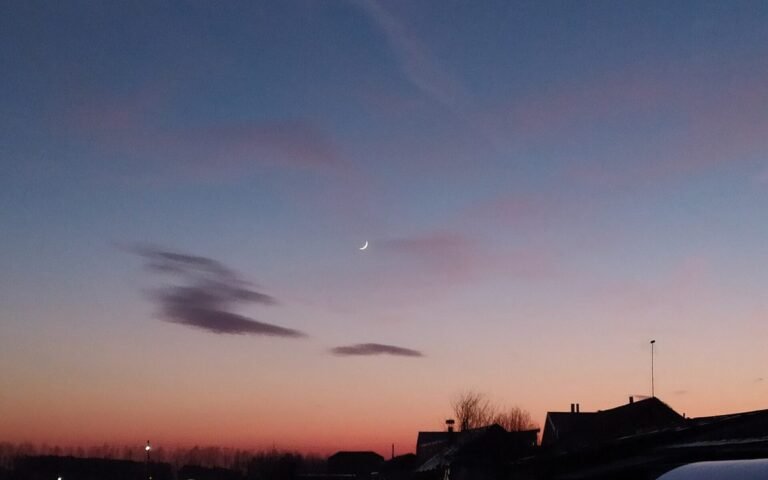
Tonight, look out your window before you sing. Can you see the moon? Is it round, or a thin slice? Can you spot a star? Then sing your favorite starry lullaby.
Lullabies and your heartbeat
Many lullabies have a beat close to a calm, resting heartbeat, slower than the songs you dance to. Some scientists think that's one reason they feel so soothing. Try it: put your hand on your chest after a lullaby. Is your heart going slow and steady?
Musical instruments for bedtime
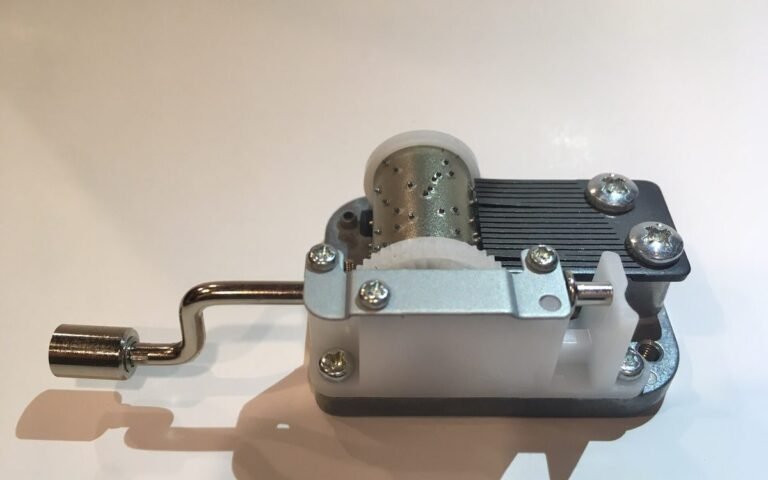
You don't need instruments for lullabies, but soft ones are fun to try. A music box plays a tiny tune when you wind it. A ukulele or guitar can be strummed gently. Even a soft shaker, like rice in a closed jar, can keep a slow beat.
Famous lullaby facts
- Brahms' Lullaby was written in 1868 by Johannes Brahms as a gift for a friend's new baby boy.
- Twinkle Twinkle Little Star uses the same tune as the ABC song and Baa Baa Black Sheep.
- Rock-a-Bye Baby was printed in London around 1765.
- Wynken, Blynken, and Nod are three fishermen in a wooden shoe. Really, they are a sleepy child's two eyes and little head!
- Scientists have found that people from many cultures can recognize a lullaby even in a language they don't speak.
Make your own lullaby
You can make up a lullaby using a tune you already know. Try Twinkle Twinkle Little Star. Change the words to be about your child, your pet or your day:
Sleepy, sleepy, little bear, Time to rest your fluffy hair. Close your eyes and dream all night, Wake up with the morning light.
Kids love hearing their own name in a song.
More bedtime fun
After the lullaby, read a story from our bedtime stories or try calming sleep stories. Sing along with nursery rhymes, or read a soft poem from poems for kids.
Questions grown-ups ask
What is the most popular lullaby?
Brahms' Lullaby, Rock-a-Bye Baby, Hush Little Baby and Twinkle Twinkle Little Star are among the most popular lullabies in the US.
What is the difference between a lullaby and a nursery rhyme?
A lullaby is a soft song meant to help a child sleep. A nursery rhyme is a short, often bouncy rhyme or song for playing, learning and fun.
At what age should you stop singing lullabies?
There's no set age. Many kids enjoy a bedtime song well into elementary school, and some families keep a special lullaby for years.
Are these lullabies free to sing and print?
Yes. The traditional lullabies on Kidspedia are free to read, sing and print for home or classroom use.
Do lullabies help kids sleep better?
Many families find that a calm, repeated bedtime song helps children relax and settle, especially as part of a regular bedtime routine.
