




Pick a collection
Fun animal facts for kids
Kids ask a lot of animal questions. Why do whales come up for air? How does a tadpole turn into a frog? What do raccoons eat in the backyard? This page collects every animal facts article on Kidspedia so you can find answers in one place. The writing is for kids ages 4 to 12, and the facts are ones you can share at the dinner table or use for a school project.
Pick a page
- Animal life cycles: how frogs, butterflies, chickens, ladybugs and other animals grow and change.
- Ocean animals: whales, sharks, dolphins, octopuses, sea turtles, seahorses and penguins.
- Animal habitats: rainforests, deserts, the Arctic, the African savanna and other places animals call home.
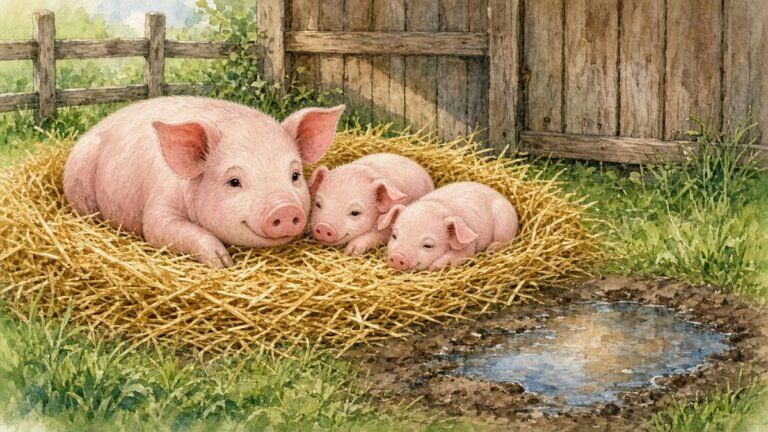
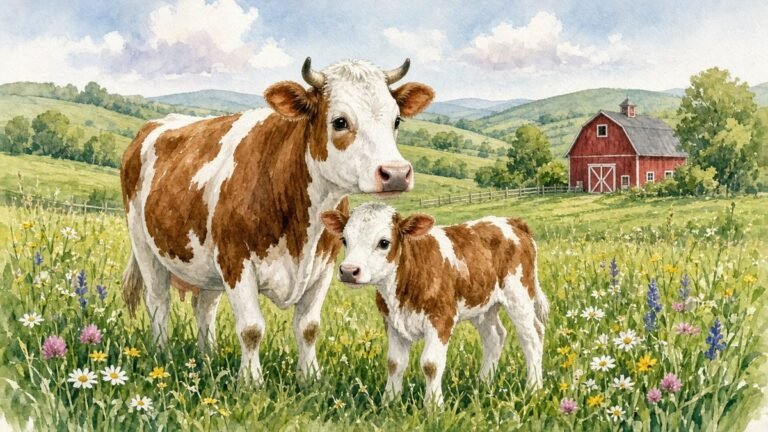
- Farm animals and pets: cows, horses, pigs, sheep, chickens, dogs and cats.
- Birds for kids: bald eagles, owls, hummingbirds, penguins, cardinals and more.
- Insects and bugs: bees, butterflies, ants, fireflies, ladybugs and spiders.
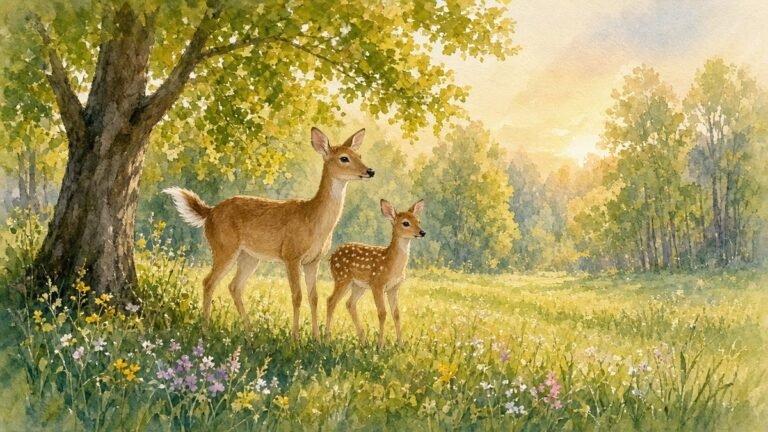
- North American animals: bison, bald eagles, grizzly bears, alligators, raccoons and deer you can find in the United States.
What is an animal?
An animal is a living thing that eats food, grows and can usually move around on its own. Trees and flowers are living things too, but they make their food from sunlight. Animals have to find food, whether that food is grass, fruit, insects or other animals.
Scientists sort animals into big groups that share body features.
Mammals have hair or fur, and the mothers make milk for their babies. People are mammals. So are dogs, whales, bats and bison. Some mammals live in the ocean, but they still breathe air.
Birds have feathers, lay eggs and have wings, even if some birds, like penguins and ostriches, do not fly.
Reptiles have dry, scaly skin and usually lay eggs on land. Snakes, turtles, lizards, alligators and crocodiles are reptiles.
Amphibians start life in water and later can live on land. Frogs, toads and salamanders belong in this group. A tadpole breathes with gills, then grows legs and lungs.
Fish live in water and breathe with gills. Sharks, seahorses and goldfish are all fish, even though they look very different from one another.
Insects are small animals with six legs and three body parts: a head, a thorax and an abdomen. Most also have antennae, and many have wings. Spiders often get called bugs, but they are arachnids, with eight legs and two body parts.
How animals live
Every animal needs food, water, air and a place that keeps it safe. That place is called a habitat. A habitat might be a coral reef, a backyard garden, a prairie in the Midwest or a tide pool on the California coast.
Some animals are herbivores, which means they eat plants. Cows, deer and butterflies (as adults) are herbivores. Carnivores eat other animals. Sharks, owls and grizzly bears hunt for food, though bears also eat berries and fish. Omnivores eat both plants and animals. Raccoons, pigs and people are omnivores.
Animals also have body parts and habits that help them survive. A camel can go a long time without water. A polar bear's fur and fat keep it warm on ice. A hummingbird's wings beat so fast the bird can hover in front of a flower. We call these helpful traits adaptations.
Life cycles
A life cycle is the set of stages an animal goes through as it grows. A chicken starts as an egg, hatches as a chick and grows into a hen or a rooster. A frog starts as an egg in a pond, becomes a tadpole, grows legs and finally hops onto land. A butterfly changes even more: egg, caterpillar, chrysalis, then winged adult. That big change is called metamorphosis.
You can read about all of those changes on our animal life cycles page.
Animals in the United States
Kidspedia is written for kids in the United States, so you will find plenty of animals that live here. The bald eagle is the national bird. The American bison is the national mammal. Alligators live in Florida and other southern states. Raccoons raid trash cans from cities to farms. White-tailed deer show up in woods and even in suburban yards. You might also see cardinals at a bird feeder, fireflies on a summer night or a monarch butterfly passing through in the fall.
The United States has many habitats in one country: the Everglades, the Sonoran Desert, the Rocky Mountains, Arctic land in Alaska and coral reefs in Hawaii and Florida. That is why American kids can study rainforest frogs and desert lizards without leaving the topic of home.
How to use these pages
These articles work for curious reading, homework and classroom projects. If you need facts for a report, pick one animal, write down where it lives, what it eats and one surprising fact. If you are reading for fun, start with the animal you like most, then follow the links to a habitat or a life cycle page.
Teachers can use the life cycle pages with a science unit, the farm pages with a field trip and the North American pages with a geography or symbols lesson. Parents can read a short facts page at bedtime, then look for that animal on a walk the next day.
A few favorite facts to start with
The blue whale is the largest animal that has ever lived, bigger than any dinosaur. A seahorse dad, not the mom, carries the babies. Fireflies make their own light. A giraffe's tongue can be dark purple and about 18 inches long, which helps it grab leaves. Honeybees do a waggle dance to tell other bees where the flowers are.
When you are ready for more, pick a page above and keep exploring.
Questions grown-ups ask
What is the biggest animal in the world?
The blue whale is the biggest animal that has ever lived. It can grow to about 100 feet long, which is longer than a basketball court.
Are spiders insects?
No. Spiders are arachnids. Insects have six legs and three body parts. Spiders have eight legs and two body parts.
What is a habitat?
A habitat is the place an animal lives and finds food, water and shelter. A coral reef, a backyard, a desert and an Arctic ice floe are all habitats.
What animals live in the United States?
Lots of them! Bald eagles, American bison, raccoons, white-tailed deer, alligators, hummingbirds, coyotes and black bears all live in the U.S., along with many others.
What is a life cycle?
A life cycle is the set of stages an animal goes through as it grows, from birth or hatching to adulthood. A frog's life cycle includes egg, tadpole and adult frog.
