





Pick a collection
Space for kids
Space is the huge region beyond Earth's atmosphere. It holds the moon, the sun, the planets, countless stars and the spacecraft people have sent out to explore them. This page collects Kidspedia's space articles for kids ages 4 to 12, from our home planet to the edge of what telescopes can see.
Pick a page
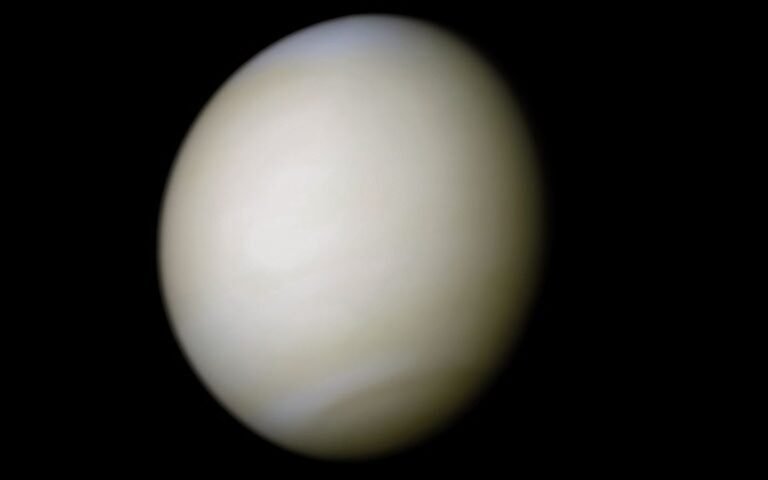
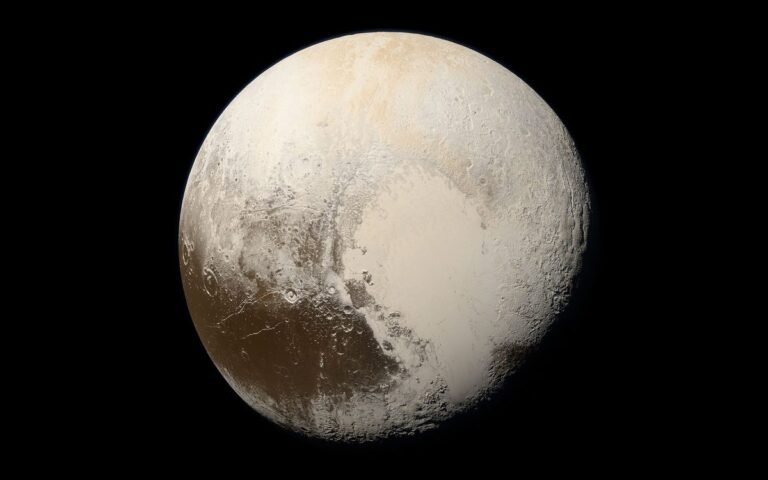
- The solar system: the sun, all eight planets, dwarf planets such as Pluto, and how the family of worlds fits together.
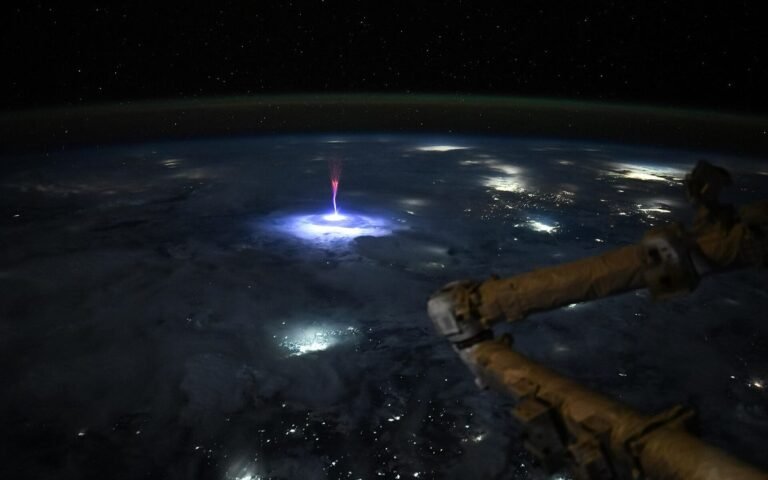
- The sun and moon: how the sun shines, why the moon has phases, eclipses, tides and the Apollo moon landing.
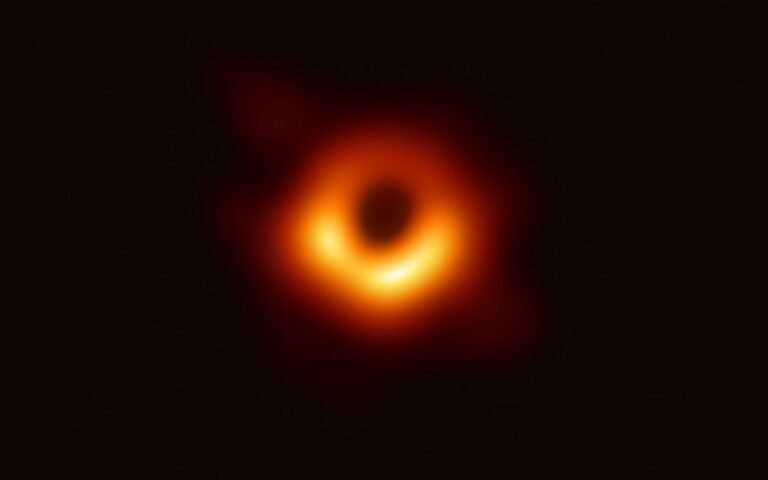
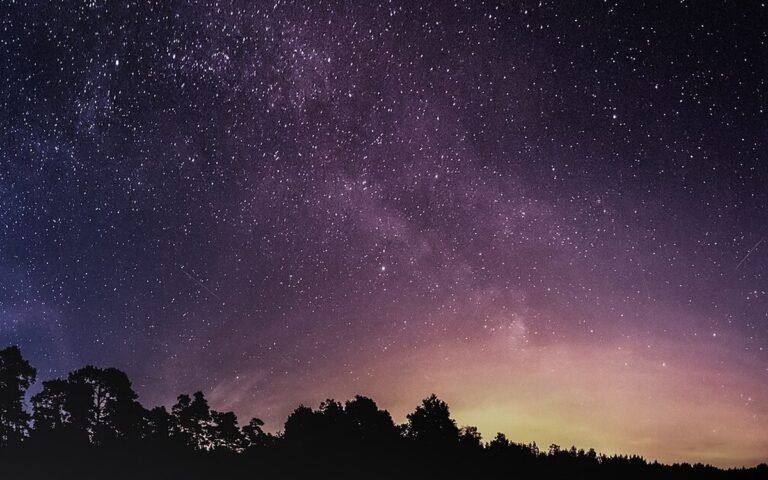
- Stars and the night sky: how stars are born, constellations, the Milky Way, black holes, meteors and stargazing.
- Space travel: rockets, astronauts, the International Space Station, NASA missions and the journey to other worlds.
Our place in space
Earth is a planet, which means it is a world that orbits a star. Our star is the sun, and the sun plus everything that orbits it make up the solar system. Mercury, Venus, Earth and Mars are the four smaller, rocky planets close to the sun. Jupiter, Saturn, Uranus and Neptune are the four giant planets farther out. Pluto is a dwarf planet, and there are other dwarf planets too.
The moon orbits Earth. It does not make its own light. We see it because sunlight hits it, and the shape seems to change as the moon moves, which is why we talk about phases. Sometimes Earth, the moon and the sun line up and we get an eclipse.
Stars, galaxies and the dark
The sun is a star. At night you can see other stars, much farther away. Some look white, some a little blue or orange. Stars are born in clouds of gas and dust, shine for a long time and eventually change or fade. A constellation is a pattern people have drawn among the stars, such as the Big Dipper, to help find the way across the sky.
Our solar system lives in a huge family of stars called the Milky Way galaxy. Other galaxies lie even farther out. Black holes are places where gravity is so strong that light cannot escape. They sound like science fiction, but they are a real part of astronomy, and we have a page that explains them in a calm, simple way.
Comets, asteroids and meteors are smaller members of the solar system. A "shooting star" is usually a meteor: a bit of space rock burning up in Earth's air.
People in space
For thousands of years, people could only look up. Then rockets made it possible to leave the atmosphere. In 1969, NASA's Apollo 11 mission landed astronauts on the moon. Today, astronauts live and work on the International Space Station, a lab that orbits Earth. Robotic spacecraft have visited every planet in the solar system. Telescopes on the ground and in space, including Hubble and the James Webb Space Telescope, take pictures of places no person has yet reached.
The United States has a long space story, from the first NASA missions to today's work on the ISS and plans to return to the moon. Kids who like space can start with a planet, a constellation or a rocket, then follow the links to a mission or a night-sky guide.
How to use these pages
These articles work for a homework report, a family stargazing night or a classroom unit. If you can, go outside on a clear night (with a grown-up), look for the moon and, if the sky is dark enough, a few bright stars. Binoculars help, but your eyes are enough to begin. During the day, the sun (never look straight at it) is the closest star you will ever study.
Teachers can pair the planet pages with a scale model in the hallway, the moon pages with a cookie-phase activity and the space-travel pages with a look at a NASA photo. When you are ready, pick a page and start exploring.
Space questions kids ask
Is Pluto a planet? Why does the moon change shape? What is a black hole? How do rockets stay up? Could people live on Mars? Each of those questions has a clear, calm answer in the pages above. If a topic feels a little spooky, such as black holes, start with the simple version and stop if you want to. Space is huge, and you do not have to learn it all at once.
A good first path is Earth, then the moon, then the sun, then one other planet, then a constellation. After that, rockets and astronauts make more sense, because you already know where they are going.
Space science in the United States
NASA's roots, launch sites and visitor centers are part of U.S. geography as well as science. Florida's Kennedy Space Center, Houston's Johnson Space Center and labs and museums in many other states tell the same story from different angles. You can also participate without a plane ticket: watch a live launch online, visit a science museum, or join a local stargazing night at a park or planetarium.
Elementary space lessons in U.S. schools often cover the sun, moon, stars, planets and, later, gravity and the idea of a galaxy. These pages follow that path and add mission stories, because kids usually want to know who went, how they got there and what they found.
Questions grown-ups ask
How many planets are in the solar system?
There are eight planets: Mercury, Venus, Earth, Mars, Jupiter, Saturn, Uranus and Neptune. Pluto is a dwarf planet.
Why does the moon change shape?
The moon does not really change shape. We see different parts of its sunlit side as the moon goes around Earth. Those changing views are called phases.
Can I look at the sun?
Never look straight at the sun, even with sunglasses or a regular telescope. It can hurt your eyes. Use a safe solar viewer or a projection method with a grown-up.
What does NASA do?
NASA is the U.S. space agency. It studies Earth and space, flies astronauts, builds telescopes and sends robotic spacecraft to the moon, the planets and beyond.
How can kids start stargazing?
Go outside with a grown-up on a clear night, away from bright lights if you can. Find the moon first, then a bright constellation such as the Big Dipper. A star chart or a trusted stargazing app can help.