






Pick a collection
Science for kids, explained simply
Science is a way of asking questions about the world and then looking for answers you can test. Kids already do this all the time. You wonder why ice melts, why a storm rumbles, or why a plant leans toward the window. This page gathers Kidspedia's science articles in one place, written for ages 4 to 12, with facts you can use for homework, a science fair or just curiosity.
Pick a page
- Science experiments: safe, easy experiments you can try at home, from a baking soda volcano to sink-or-float tests.
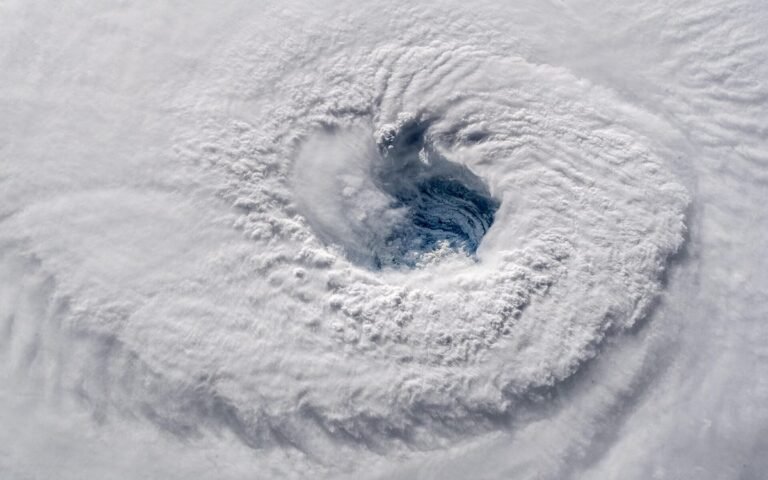
- Weather for kids: clouds, rain, wind, rainbows, tornadoes, hurricanes, lightning and the water cycle.
- The human body: how your heart, lungs, bones, brain, senses and teeth work.
- Earth science: volcanoes, earthquakes, rocks, fossils, soil and the water cycle.
- Physics for kids: gravity, magnets, electricity, light, sound and simple machines.
What is science?
Science starts with a question. Then you observe, try a test and see what happens. If you can, you try the test again to check the result. That careful habit is sometimes called the scientific method, but you do not need a lab coat to use it. A kitchen, a backyard or a sidewalk puddle can be a good place to start.
Scientists sort their work into fields. Life science looks at living things, such as plants and the human body. Earth science looks at the planet: rocks, weather, volcanoes and water. Physical science, including physics and chemistry, looks at matter, energy, forces, light and sound. All of these fields show up in the articles here.
Experiments you can try
The best way to learn science is often to try something, then ask why it worked. Our experiments use everyday supplies such as water, baking soda, vinegar, magnets and paper. A grown-up should help, especially if you are using a mess, a kitchen tool or anything that could spill. The baking soda volcano is a favorite. So are tests that ask a simple question, such as "Will this object sink or float?"
If you are planning a science fair, pick one question, change only one thing at a time and write down what you see. That one habit makes a project much clearer.
Weather, Earth and the sky
Kids in the United States see a lot of weather. Spring storms, summer heat, fall leaves and winter snow are all science you can watch from a window. Clouds, rain and wind follow patterns you can learn. Tornadoes and hurricanes are bigger, more serious storms, and it helps to know how they form and how families stay safe. Rainbows and a blue sky are light science as much as weather science, which is why those pages sit close together.
Under your feet, Earth is just as active. Volcanoes erupt in places such as Hawaii. Earthquakes shake the ground in states such as California. Rocks and fossils hold clues about the planet's past. The water cycle ties weather and Earth together: water evaporates, forms clouds, falls as rain or snow and runs back to rivers, lakes and the ocean.
Your body and the way things move
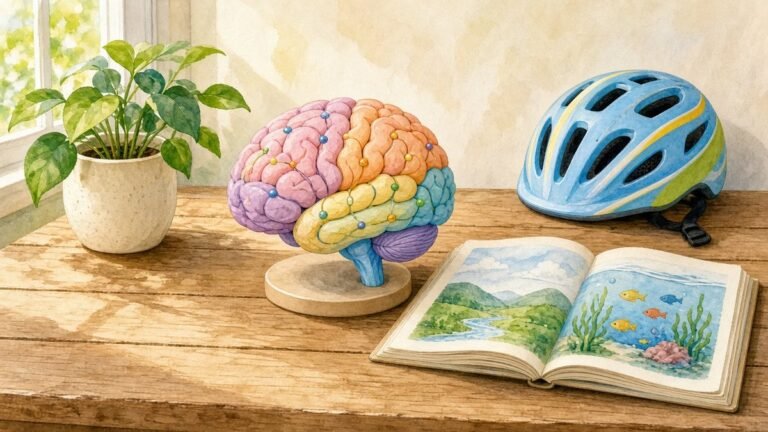
You carry a science lab with you all day. Your heart pumps blood. Your lungs bring in air. Your bones and muscles help you run. Your brain and senses help you notice the world. Learning how those parts work is useful for health class and for taking care of yourself.
Physics is the science of how things move and interact. Gravity pulls you toward Earth. Magnets pull on some metals. Electricity powers lights and devices in your house. Light makes color and rainbows. Sound is a vibration you can hear. Simple machines, such as levers and ramps, help people lift and move heavy things with less effort.
Science at home and at school
These pages work for a curious read, a classroom unit or a weekend experiment. Teachers can pair the weather pages with a U.S. map, the Earth pages with a rock collection and the body pages with a health lesson. Parents can pick one short article at dinner and one safe experiment on a Saturday morning.
When you are ready, pick a page above and start with the question that already popped into your head.
Questions kids ask all the time
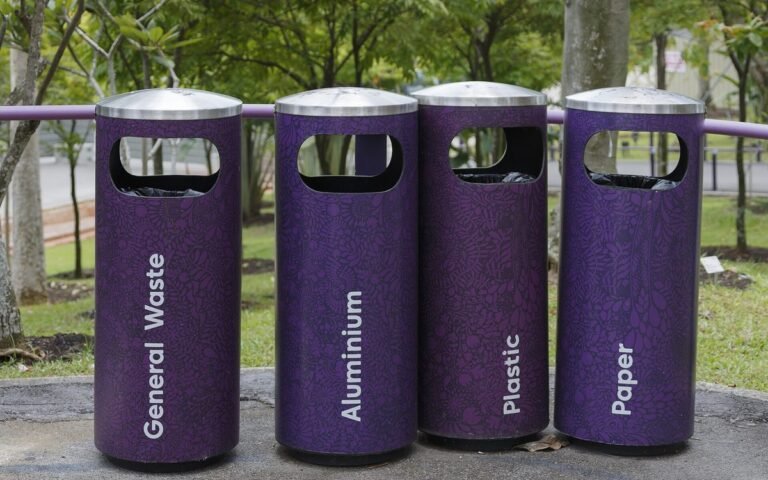
Some science questions show up in almost every classroom and car ride. Why is the sky blue? How does a rainbow get its colors? Why do things fall down instead of up? How does a plant make food from sunlight? Where does trash go after the truck takes it? Each of those questions has a page on Kidspedia, written so a child can follow it and a grown-up can talk about it too.
If you do not see your question in the list, start with the closest topic. A question about snow belongs with weather and the water cycle. A question about a flashlight belongs with light and electricity. A question about a broken bone belongs with the human body. Science topics connect, which is why the sub-pages link to one another.
Science in the United States
Kids in the U.S. can study a lot of science without leaving their region. Hawaii has active volcanoes. California has earthquakes and a long coast. The central states see many tornadoes. The Gulf and Atlantic coasts prepare for hurricanes. National parks show canyons, caves, glaciers and geysers. A city sidewalk can still give you weather, shadows, plants in sidewalk cracks and the force of gravity on a dropped ball.
Science class in elementary school often includes the water cycle, weather, plants, magnets, the human body and a first look at experiments. These pages are written to match that mix, with a little extra depth for kids who want to read further.
Questions grown-ups ask
What is the scientific method?
It is a careful way to answer a question: make a guess, test it, look at what happens and share the result. Kids can use it for simple experiments at home or at school.
What are some easy science experiments for kids?
A baking soda volcano, a sink-or-float test, walking water between cups and a static electricity test with a balloon are all easy to try with a grown-up and household supplies.
What science topics do kids learn in elementary school?
Many U.S. classrooms cover weather, plants, the water cycle, the human body, magnets, light, rocks and simple experiments that practice observing and measuring.
Is a baking soda volcano a real volcano?
No. It is a model that uses a safe chemical reaction to make foam that looks a bit like lava. A real volcano is much hotter and is made of melted rock from inside Earth.
How can I stay safe during science experiments?
Ask a grown-up to help, wear clothes you can mess up, keep experiments away from eyes and mouths, and clean up spills. Never taste experiment materials unless a trusted adult says the item is food.
