
On the Fourth of July, the sky lights up with fireworks, towns hold parades, and families gather for barbecues and picnics. It’s one of the most exciting days of summer. But why do we celebrate it? The Fourth of July, also called Independence Day, is the birthday of the United States of America. Here’s the story.
America before independence
In the 1700s, there was no United States. Instead, there were 13 colonies along the Atlantic coast, from New Hampshire down to Georgia. These colonies belonged to Great Britain and were ruled by the British king, George III.
At first, many colonists were proud to be British. But over time, they grew upset with how they were being treated.
Taxes without a say
Great Britain had spent a lot of money fighting wars, including one in North America. To pay for it, the British government made the colonists pay new taxes on things like paper, glass and tea. The colonists had no representatives in the British government, called Parliament. They felt it was unfair to be taxed by people they hadn’t chosen. Their slogan was “No taxation without representation.”
The Boston Tea Party
In 1773, a group of colonists in Boston dressed up and dumped 342 chests of British tea into Boston Harbor to protest a tax. Britain responded with strict new laws, and tensions grew.
War begins
In April 1775, fighting broke out between colonists and British soldiers at Lexington and Concord in Massachusetts. This was the start of the American Revolution, also called the Revolutionary War.
The Declaration of Independence
The Continental Congress
Leaders from the colonies met in Philadelphia in a group called the Second Continental Congress. They had to decide whether to keep trying to make peace with Britain or to break away completely.
Writing the Declaration
In June 1776, Congress chose a committee of five men to write a statement explaining why the colonies wanted to be free. The committee included John Adams, Benjamin Franklin and a 33-year-old Virginian named Thomas Jefferson. Jefferson wrote the first draft.
The Declaration of Independence says that all people have certain rights that can’t be taken away, including “life, liberty and the pursuit of happiness.” It also listed the colonists’ complaints against the king.
July 2 or July 4?
On July 2, 1776, Congress voted to declare independence. John Adams thought July 2 would become the big holiday. But on July 4, Congress approved the final wording of the Declaration. That’s the date printed at the top, and that’s the day we celebrate.
The famous signed copy was mostly signed on August 2, 1776. John Hancock, the president of Congress, signed his name very large. Today, people still say “put your John Hancock here” when they mean “sign your name.”
Winning freedom
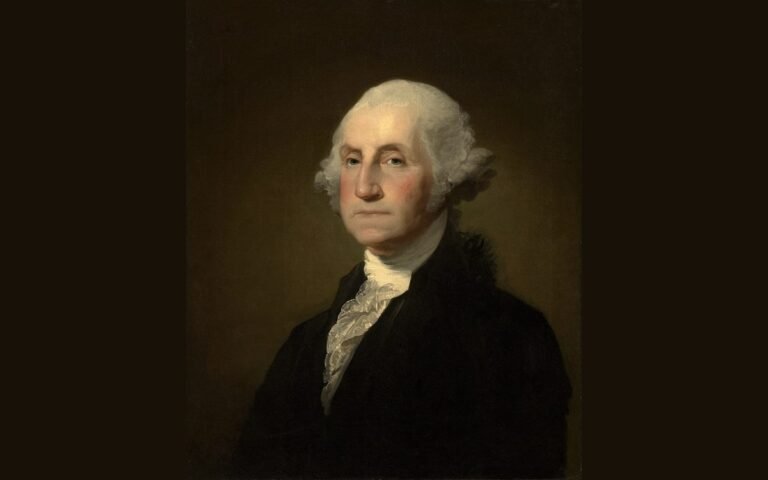
Declaring independence didn’t end the war. Americans, led by General George Washington, fought for several more years. The war ended with a peace treaty in 1783, and the United States was officially its own country.
How the Fourth of July became a holiday
People celebrated the very first anniversary in Philadelphia in 1777 with fireworks, bells and cannon fire. Over the years, celebrations spread. In 1870, Congress made the Fourth of July a federal holiday.
How Americans celebrate
Fireworks
Fireworks are the most famous Fourth of July tradition. Big cities like New York, Boston and Washington, D.C., put on huge shows. Many towns have their own displays at parks and lakes.
Parades
Hometown parades feature marching bands, fire trucks, decorated bikes, floats and people waving flags. One of the oldest is in Bristol, Rhode Island, which has held a Fourth of July parade since 1785.
Picnics and barbecues
Families and friends gather outdoors for hot dogs, hamburgers, corn on the cob, watermelon and apple pie. Americans eat about 150 million hot dogs on the Fourth of July.
Red, white and blue
People wear the colors of the American flag and decorate their homes with flags and bunting.
Music
Bands play patriotic songs like “The Star-Spangled Banner,” “America the Beautiful” and “Yankee Doodle.” The Boston Pops orchestra plays a famous concert every year.
Fun Fourth of July facts
- In 1776, about 2.5 million people lived in the 13 colonies. Today, the United States has more than 330 million people.
- Three presidents, John Adams, Thomas Jefferson and James Monroe, died on July 4. Adams and Jefferson both died on July 4, 1826, the 50th anniversary of the Declaration.
- Calvin Coolidge, the 30th president, was born on July 4, 1872.
- The Liberty Bell in Philadelphia is tapped 13 times every July 4 to honor the original 13 colonies.
- In 2026, the United States celebrated its 250th birthday, called the semiquincentennial.
Fourth of July activities for kids
- Make a paper flag: Draw 13 stripes and a blue box with stars, or count out 50 star stickers.
- Decorate your bike: Weave red, white and blue streamers through the spokes for a neighborhood parade.
- Bake a flag cake: Top a white frosted cake with strawberries for stripes and blueberries for stars.
- Glow stick fun: Glow sticks are a safe way for little kids to join the sparkle.
- Learn the words: Practice singing “The Star-Spangled Banner” or “America the Beautiful.”
Fireworks safety
Leave fireworks to grown-ups and professionals. Even sparklers can get as hot as 2,000 degrees Fahrenheit. Watch shows from a safe distance and cover your ears if the booms are too loud.
Fourth of July FAQs
How old is the United States?
The United States turned 250 years old on July 4, 2026.
Why are fireworks part of the Fourth of July?
John Adams wrote in 1776 that the day should be celebrated with “illuminations,” meaning bright lights and fireworks, from one end of the country to the other.

Read next
 Story break? Play one of 1,458 free kid-safe gamesPlay now →
